Donor Gifts for Institutions That Carry Meaning Beyond the Moment
Most gifts given to midlevel donors or patrons at fundraisers are chosen too late—and it shows. They’re often selected after the hard work is done, when campaigns are closing and teams are exhausted. The result is a donor gift that technically checks a box but does very little to strengthen the relationship that made the gift possible.
The problem isn’t gratitude. It’s forgettability.
The most effective donor gifts for institutions don’t just acknowledge generosity—they reinforce identity, place, and purpose. When donor recognition feels rooted in the institution itself, it remains meaningful long after the campaign ends. A good donor or patron gift says thank you. Great ones say “this mattered to us”.

Typical donor recognition gifts are usually mass produced, budget-friendly objects typically selected late in the campaign process, rarely create a lasting connection to the institution itself.
Examples of Poorly Thought-Out Donor or Patron Gifts
Many standard donor recognition gifts fail because they are visually interchangeable. The same acrylic awards, glass plaques, and branded desk items appear across universities, hospitals, nonprofits, and corporate programs, offering little indication of who the gift represents or why it matters.
Without a clear connection to place or identity, these objects default to a corporate aesthetic that prioritizes efficiency over meaning.
This lack of distinction becomes more pronounced over time. Design trends change, logos evolve, and what once felt contemporary can quickly feel dated.
Even when personalized through engraving, mass-produced donor gifts often communicate scale rather than significance.
They may appear professional, but they rarely invite long-term display or emotional attachment.
Why Most Donor Gifts, Awards, And Patron Gifts Fail to Endure
Many institutional donor gifts are well intentioned, professionally produced, and immediately forgotten. Created to satisfy a moment rather than sustain a relationship, they prioritize convenience over connection, leaving donors with an object that acknowledges generosity but fails to reinforce why the institution mattered in the first place.
Generic Donor Gifts Create Generic Memories
When donor recognition gifts could belong to any organization, they rarely hold long-term value. Without a visual or material connection to the institution, the object becomes interchangeable—and ultimately disposable. Design trends come and go. Institutions—especially universities, hospitals, faith-based organizations, and civic institutions—are built to last decades or centuries. A donor gift tied to a trend often feels dated within a few years, quietly undermining its purpose.
Design trends come and go. Institutions—especially universities, hospitals, faith-based organizations, and civic institutions—are built to last decades or centuries. A donor gift tied to a trend often feels dated within a few years, quietly undermining its purpose. Disconnection from place weakens donor recognition- fast.
Architecture: A Hidden Asset in Donor Recognition
The most effective donor gifts for institutions are grounded in place. Buildings, campuses, sanctuaries, hospitals, and civic landmarks are not just backdrops—they are where memories are formed, relationships are built, and missions are lived out. When donor gifts reflect a physical place, they immediately feel personal, familiar, and authentic.
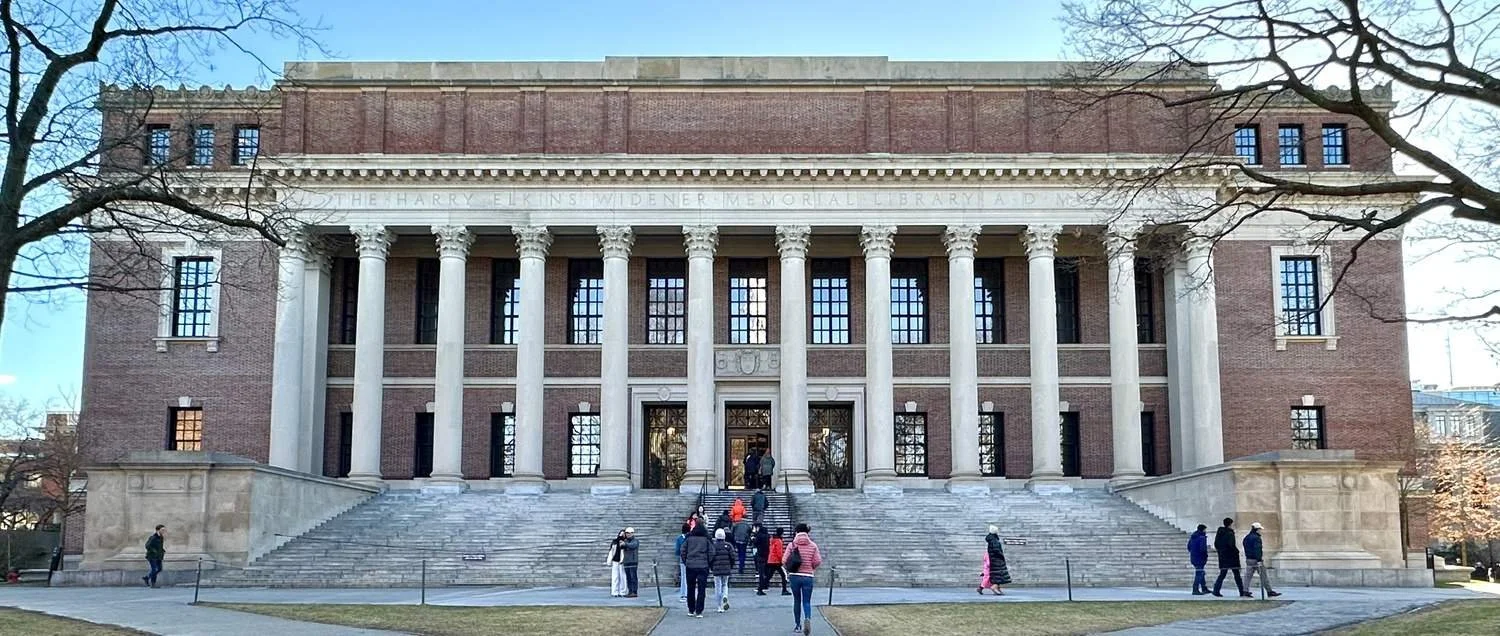
Widener Library at Harvard University—an instantly recognizable landmark whose architecture carries shared memory, institutional identity, and lasting meaning beyond any single campaign.
Place-based donor gifts work because they bypass explanation. A recognizable architectural form communicates meaning instantly, without requiring context or branding.
For donors, this visual recognition reinforces identity and belonging, making the gift feel connected to a shared experience rather than a generic gesture of appreciation.
Architecture is one of the most underutilized assets in donor recognition. Every institution already possesses a visual language—facades, towers, entryways, windows, and structural details that donors recognize instinctively. These elements carry emotional weight precisely because they are constant, enduring, and independent of trends.
Unlike logos or graphic systems, architecture does not age quickly. It remains stable across leadership changes, rebrands, and campaigns, making it uniquely suited for legacy donor gifts and long-term donor recognition. When institutional architecture is translated into a physical donor gift, it transforms a familiar place into a tangible reminder of stewardship and impact.
Why Architectural Donor Gifts Feel More Personal
Place-based architectural donor gifts resonate because they reflect something donors already care about. Alumni remember where they studied. Patients and families remember where they were treated. Congregants remember where they gathered. Supporters remember where they stood when the institution mattered most.
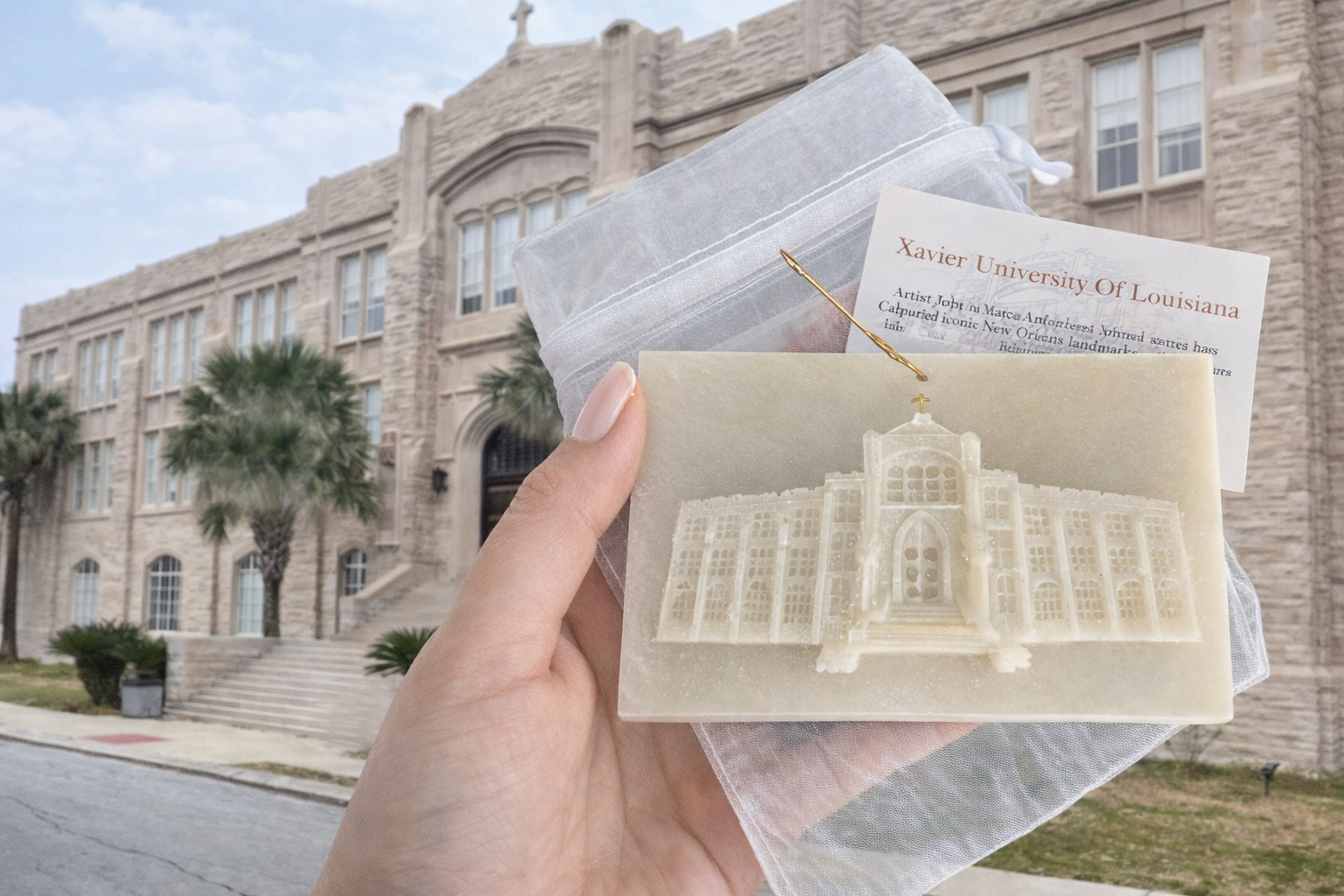
An architectural memento leverages built-in assets that are already owned, meaningful, and trusted.
By drawing directly from architecture, donor gifts become more than objects—they become extensions of memory. Architectural forms carry meaning before a word is read or a name is engraved, allowing donors to immediately recognize the place and experience the gift represents.
This familiarity creates an emotional shortcut, connecting the object to moments of belonging, stewardship, and shared history.
This is why architectural donor gifts are more likely to be displayed, kept, and talked about over time. They feel commemorative rather than corporate, rooted rather than promotional.
A Stronger Foundation for Institutional Donor Gifts
For nonprofits, universities, healthcare systems, faith-based organizations, and civic institutions, architecture offers a built-in foundation for meaningful donor recognition. It is already owned, already meaningful, and already trusted.
Leveraging architecture in donor gifts allows institutions to honor generosity in a way that feels permanent, intentional, and deeply aligned with their mission. Place-based donor gifts don’t just say thank you—they quietly reinforce why the institution exists, and why it’s worth supporting for years to come.
Before a donor reads an inscription, they recognize form. A recognizable architectural detail allows the donor to immediately understand what the gift represents—no explanation required.
Objects With Physical Presence Are Kept and Displayed
Weight, material, and form matter. Objects that feel substantial are more likely to live on desks, shelves, and mantels—rather than in drawers.
Thoughtful donor gifts are most effective in environments where long-term relationships and institutional memory truly matter. Across faith-based organizations, universities, hospitals, municipalities, cultural institutions, and legacy-focused foundations, donor recognition carries more weight when it reflects a shared sense of place and purpose.
Churches, cathedrals, and synagogues often look to sacred spaces and architectural details that embody spiritual heritage. Universities and schools draw on campuses, libraries, and familiar landmarks that alumni associate with formative experiences. In healthcare settings, donor gifts tied to place acknowledge spaces where care, recovery, and gratitude intersect.
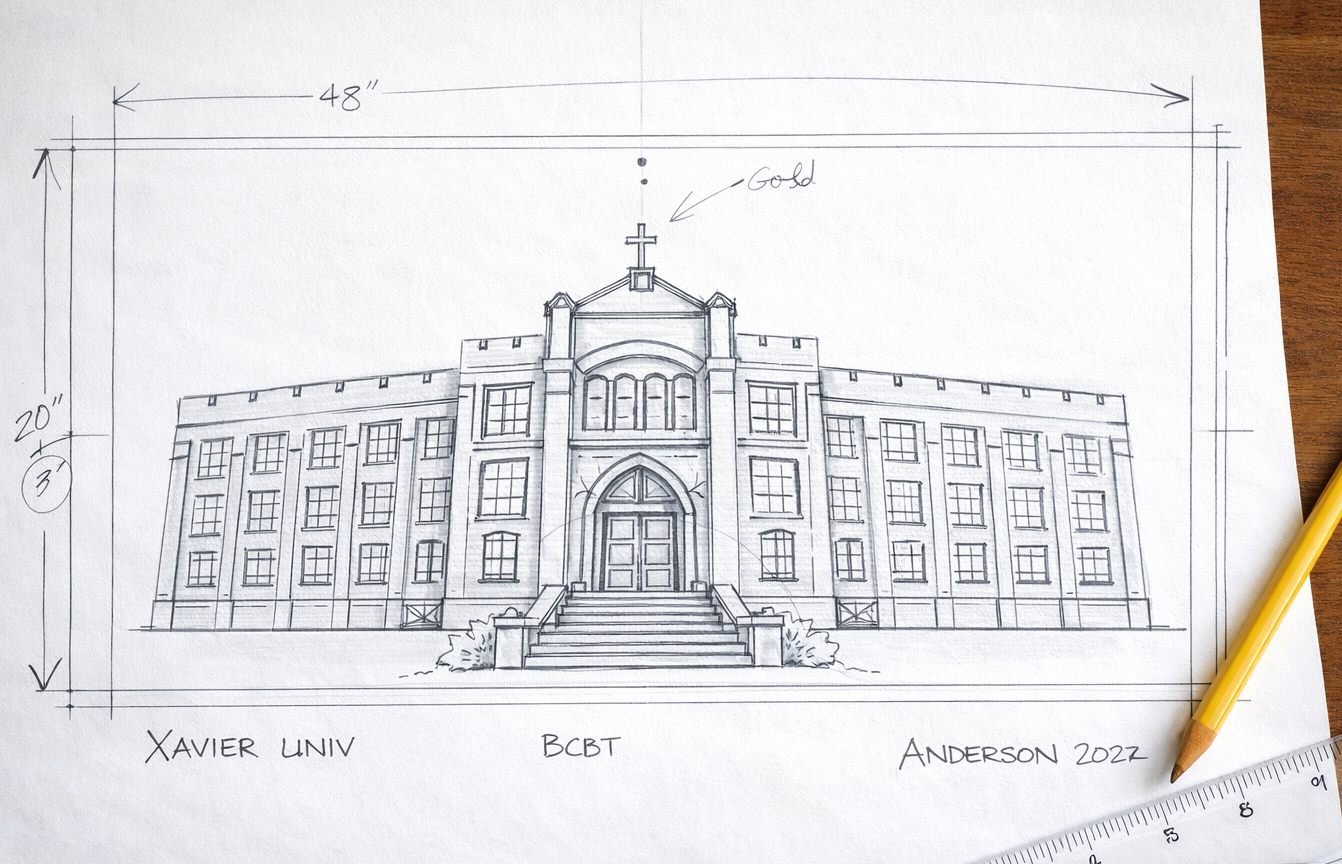
From municipalities to foundations, churches, and sports institutions, leaning on architecture allows donor recognition to remain visible, meaningful, and connected long after a campaign ends.
The same principle applies to civic organizations, museums, corporate foundations, and sports institutions. Municipalities and preservation groups often center donor recognition around landmarks and shared public identity.
Cultural institutions extend the visitor experience through gifts connected to theaters, galleries, and exhibition spaces.
Corporate foundations and legacy programs benefit from donor recognition that feels permanent rather than promotional, while sports organizations and alumni groups rely on facilities and arenas that carry deep emotional significance.
This leads to an important distinction between donor recognition and donor remembrance. Recognition is transactional—names, dates, and titles acknowledge generosity and fulfill an obligation. Remembrance, however, builds long-term affinity.
A donor gift that reflects place, permanence, and shared experience keeps the relationship alive long after the moment of giving has passed. Recognition thanks a donor. Remembrance keeps them connected.
How a donor gift is presented also plays a role. Gifts given in hand are more likely to be kept, displayed, and talked about. This isn’t theory—it’s observed behavior across nonprofit, healthcare, and institutional settings. When donor gifts feel intentional and personal, they earn a place in a donor’s daily environment rather than fading quietly into storage.
“Recognition that feels personal increases donor engagement and loyalty.” Research and nonprofit best practices underscore that personalized donor recognition—beyond a generic gift—is a key driver of retention and relationship building, according to Non-Profit Pro, which further states the donor retention is at an all time low.
What Advancement and Philanthropy Experts Consistently Emphasize
Leaders in fundraising and donor relations repeatedly highlight the importance of meaningful, donor-centered recognition. But there is also
Organizations such as Council for Advancement and Support of Education, Association of Fundraising Professionals, and publications like The Chronicle of Philanthropy regularly stress that donor engagement is strengthened by authenticity, clarity of mission, and long-term relationship thinking.
Thoughtful donor gifts align directly with these principles.
A Natural Next Step: Institutional Art as Donor Gifts
For institutions ready to move beyond generic donor recognition gifts, institutional art offers a natural evolution.
Architectural mementos draw directly from the spaces donors already care about. Rather than abstract awards, they serve as quiet, lasting reminders of shared history, stewardship, and impact.
Donor Gifts for Institutions
Meaningful donor recognition is central to successful stewardship. For universities, museums, and cultural institutions, donor gifts are not merely tokens of appreciation—they are physical expressions of gratitude, legacy, and shared purpose. While traditional recognition methods such as framed plaques and wall-mounted displays continue to play a role, many institutions are rethinking how donor gifts can create deeper, more lasting connections.
Increasingly, institutions are discovering that small, thoughtfully designed donor gifts can be just as impactful—if not more so—than large, formal recognition pieces. When crafted with intention and tied to place, mission, or moment, these gifts resonate on a personal level that traditional plaques often cannot.
Thoughtful Donor Recognition Beyond Traditional Plaques And Paperweights
For decades, donor recognition has relied heavily on architectural signage and framed acknowledgments. While these serve an important public function, they are often experienced passively. Donors see their names, feel a momentary sense of pride, and move on.
By contrast, a donor gift given directly into a donor’s hands creates an intimate exchange. It transforms recognition from something observed into something received.
These hand-held objects are tactile, personal, and private—qualities that encourage donors to keep them nearby rather than consign them to a hallway or storage closet.
Advancement professionals frequently note that donors are more likely to comment on, remember, and emotionally connect with a well-considered object than a traditional plaque. The distinction lies not in cost or scale, but in intentionality.
Our company, for example, created a line of hand crafted seasonal ornaments, roughly about 3”x6” in size, depending upon the orientation of the subject, and were largely architectural studies of cathedrals, temple, or iconic points of interest.
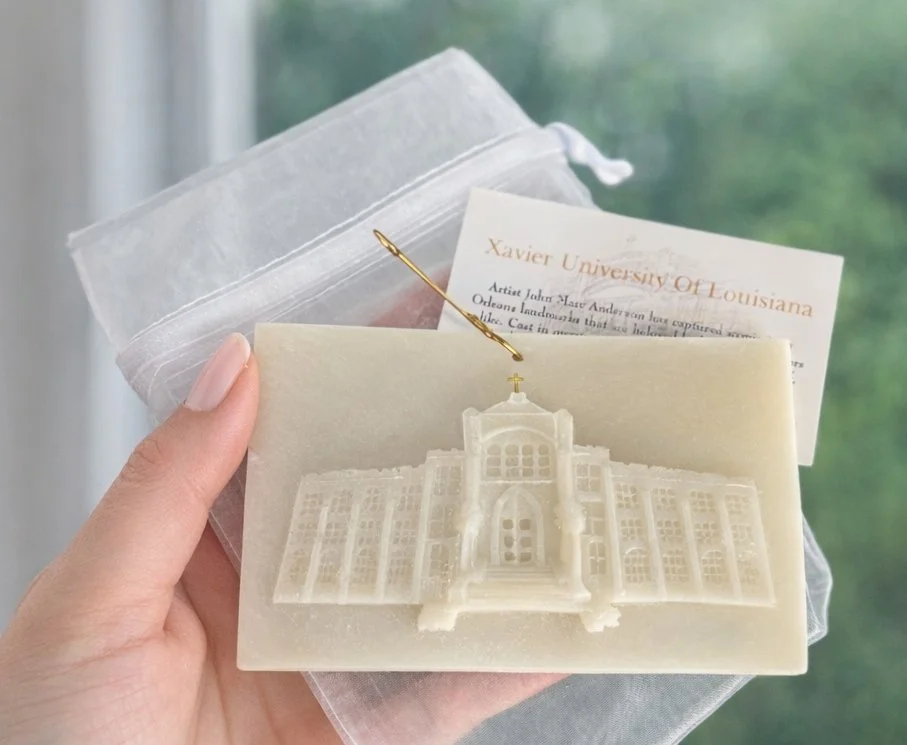
Given directly, a small gift that memorializes recognizable architecture can transform gratitude into something tangible—an object donors keep, display, and remember long after the moment of giving.
Curiously, clients would often purchase larger quantities of these mementos, as they are now called, for use at fund raising events, auctions, weddings, and other venues. We also developed a proprietary technique which combines mineralized marble powder with a resin in a suspension, giving the objects a unique, stone like appearance and feel. Today, universities, corporations, municipalities, and philanthropic organizations, partnered with us for projects.
Why Small Donor Gifts Often Leave a Larger Impression
The effectiveness of a donor gift is not determined by its size. In fact, smaller objects often carry greater emotional weight. A refined, portable memento allows donors to engage with recognition on their own terms—at home, in an office, or in quiet moments of reflection.
These gifts function as:
Personal reminders of impact
Symbols of belonging to an institution’s story
Objects that invite conversation and memory
Unlike large plaques that become part of the visual background, small donor gifts are repeatedly encountered and revisited. Their presence reinforces gratitude over time, strengthening the donor’s emotional connection to the institution.
Donor Gifts for Universities and Capital Campaigns
Universities and colleges face a unique challenge in donor recognition. Campaigns may span years, donor classes vary widely, and recognition must balance public acknowledgment with personal appreciation.
Hand-held donor gifts are particularly well suited for:
Major gifts
Capital campaigns
Endowed funds
Named spaces or programs
Alumni philanthropy initiatives
When donor gifts reference the campus itself—through architecture, landmarks, or meaningful spaces—they reinforce a donor’s sense of legacy. These objects become physical extensions of the institution, connecting donors to place long after a campaign concludes.
Patron Gifts for Museums and Cultural Institutions
Museums and cultural institutions often serve patrons who value artistry, craft, and meaning. Generic recognition gifts can feel misaligned with these values. In contrast, donor gifts rooted in architectural or cultural identity feel natural and authentic.
For patrons, a well-designed object:
Reflects the institution’s aesthetic standards
Honors cultural stewardship
Signals respect for the donor’s role in preservation and education
These gifts are especially effective for trustees, founding patrons, exhibition supporters, and legacy donors.
Architectural Mementos as Philanthropic Recognition
One of the most effective approaches to donor gifts is the use of architectural mementos—objects that translate a meaningful place into a refined, tangible form. These pieces do not replace plaques or signage; rather, they complement them by offering donors a personal keepsake tied to a shared space.
Architectural donor gifts:
Reference buildings, campuses, or landmarks
Carry symbolic rather than promotional value
Avoid overt branding or commercial aesthetics
Feel permanent and considered
Because they are rooted in place, these mementos resonate across generations, making them especially appropriate for legacy giving and long-term stewardship.
Donor Gifts Designed for Legacy and Stewardship
Effective donor recognition looks beyond the moment of giving. It anticipates the ongoing relationship between donor and institution. A successful donor gift supports stewardship by reinforcing appreciation long after the initial exchange.
Institutions that prioritize meaningful donor gifts often find that these objects:
Strengthen donor loyalty
Encourage repeat engagement
Support long-term philanthropy
Feel appropriate across changing campaigns and leadership
The goal is not spectacle, but continuity.
Custom Donor Gifts for Institutional Use
While mass-produced gifts may satisfy logistical needs, they rarely convey depth. Custom donor gifts allow institutions to align recognition with mission, history, and architectural identity.
Custom approaches offer:
Alignment with institutional values
Flexibility across donor tiers
Consistency without standardization
A sense of intentional craft
For institutions seeking donor gifts that feel permanent, architectural, and meaningful, custom mementos provide a refined alternative to traditional recognition formats.
Institutional Art and Donor Recognition
For institutions interested in donor gifts that reflect place, legacy, and architectural identity, Institutional Art & Custom Mementos offer a distinctive approach to recognition. These works are designed specifically for universities, museums, and nonprofit institutions seeking donor gifts that honor philanthropy without relying on conventional plaques.